
Why Airline Approved Pet Crates Are Required
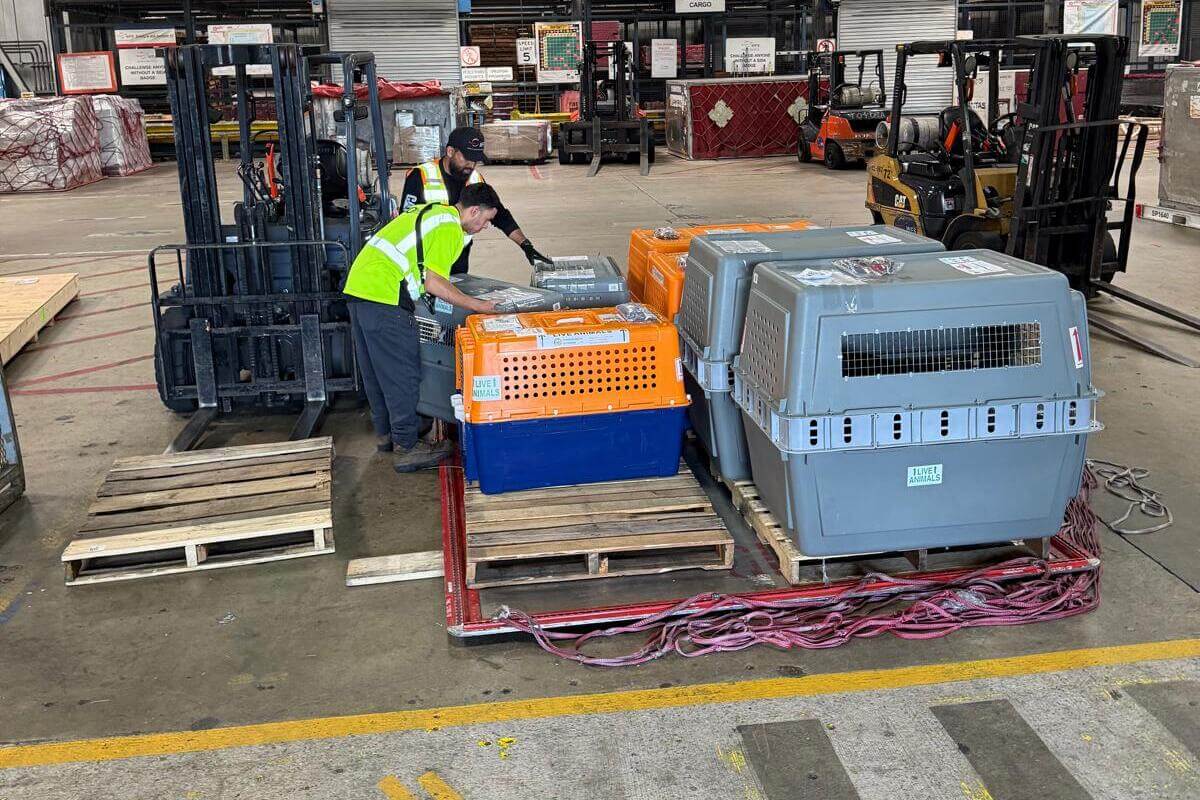
Airlines transport thousands of animals every year using specialized cargo compartments designed for live animals. To ensure safety during loading, unloading, and flight, the aviation industry follows global standards established by the International Air Transport Association.
These rules define how animals must be transported and what type of travel containers are acceptable for airline cargo transport. The standards help ensure animals remain secure, comfortable, and protected throughout the journey.
According to the International Air Transport Association, most commercial airlines follow Live Animal Regulations for transporting pets safely by air. These rules define kennel construction, ventilation requirements, and size standards for animal transport containers.
Because these standards are recognized globally, most international pet travel requires crates that comply with IATA regulations before airlines will accept the animal for transport.
What Makes a Pet Crate Airline Approved
Not every pet crate sold in stores meets airline cargo requirements. Airline-approved crates must meet specific structural and safety standards designed to protect animals during transport.
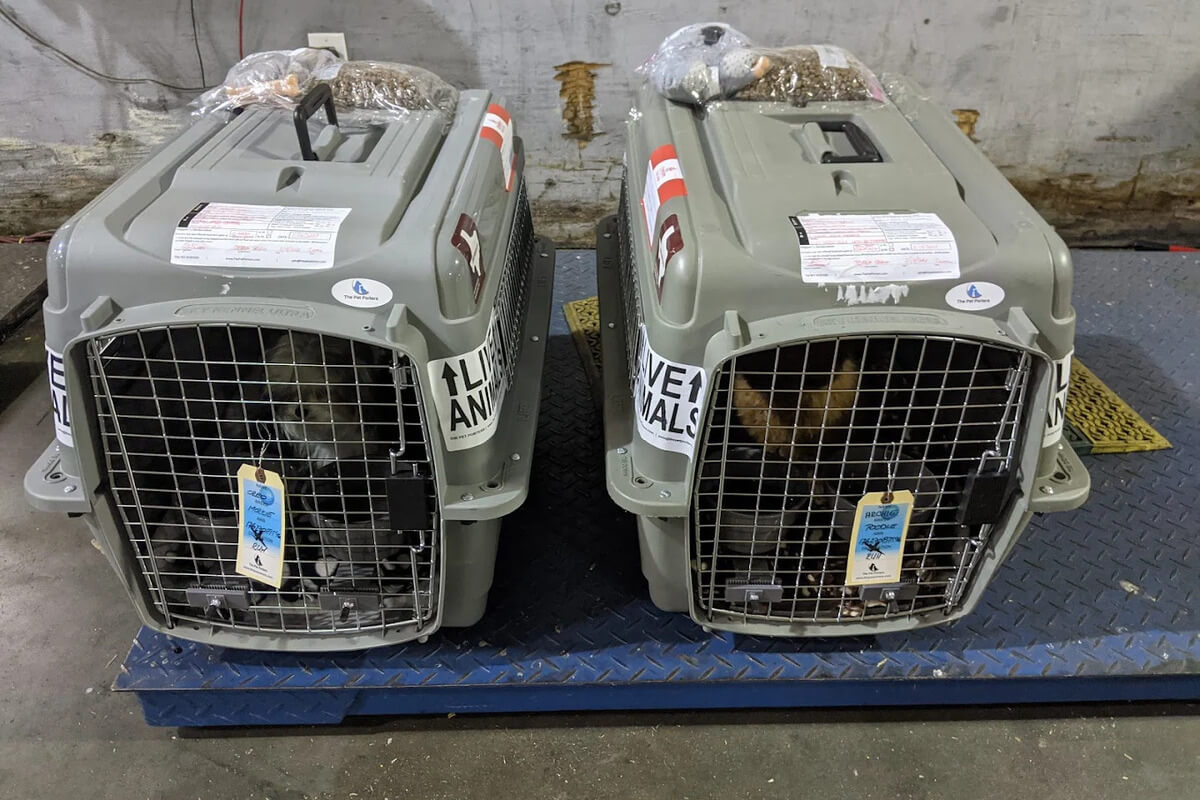
Most airline-approved crates are made from rigid plastic, fiberglass, metal, or solid wood. The container must be strong enough to withstand handling at cargo terminals while preventing pets from escaping or injuring themselves during travel.
The crate must also be completely enclosed with a secure door and locking system. Many airlines require metal hardware rather than plastic fasteners to ensure the kennel remains securely closed throughout the journey.
Additionally, the interior of the crate must be free of sharp edges or protrusions that could injure the animal. Floors must be solid and leak-proof to prevent fluids from escaping during the trip.
Pet Crate Size Requirements for Airline Travel
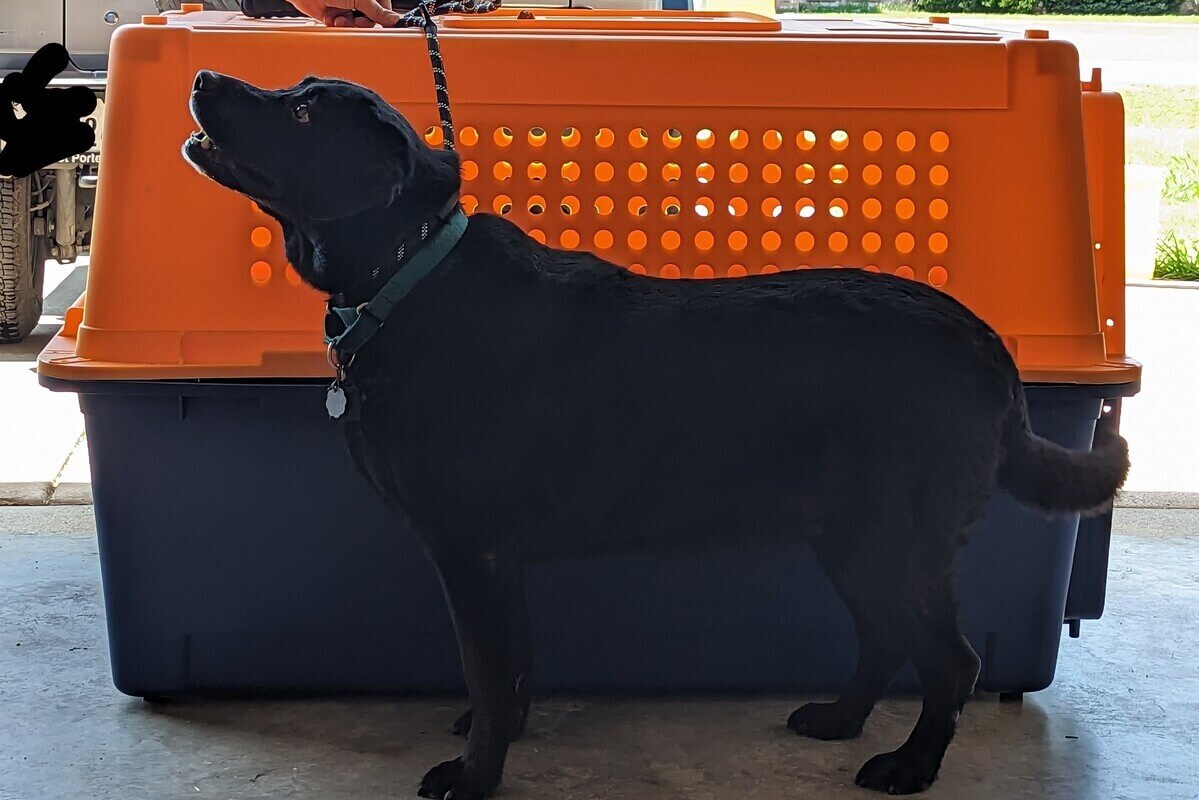
Correct crate sizing is another critical requirement for airline pet travel. The kennel must provide enough space for the animal to stand up naturally, turn around, and lie down comfortably during the flight.
Accurate measurements are essential because airlines can reject crates that are too small or improperly sized. To help pet owners determine the correct kennel dimensions, you can refer to our pet kennel sizing and measurement guide (PDF brochure) , which provides step-by-step instructions for calculating the proper crate size based on your pet’s dimensions.
Airline agents typically measure pets while standing to ensure the top of the animal’s head or ears does not touch the roof of the crate. If the crate is too small, airlines may refuse the animal at check-in for safety reasons.
Proper crate sizing also helps reduce travel stress. A crate that is too small restricts movement, while one that is excessively large may allow pets to slide around during turbulence or handling.
Because crate sizing depends on exact measurements, professional guidance is highly recommended. You can learn more about proper sizing through our pet crate fitting and sizing services.
Ventilation and Airflow Requirements
Airflow is essential when transporting animals by air. Airline regulations require travel kennels to provide adequate ventilation so pets can breathe comfortably during the flight.
For domestic flights, ventilation openings are typically required on at least three sides of the crate. For international travel, most airlines require ventilation on all four sides to ensure proper airflow.
These openings allow air circulation even when crates are stacked or placed against other cargo containers. Ventilation holes must also be small enough to prevent paws or noses from protruding outside the kennel.
Proper ventilation helps regulate temperature inside the crate and allows pets to remain comfortable during long flights.
Preparing Your Pet for Travel Crate Training
One of the most important steps before travel is helping your pet become comfortable inside the crate. Animals that are unfamiliar with travel kennels may experience unnecessary stress during the journey.
Veterinary and airline guidelines recommend introducing pets to their travel crate several weeks before departure. Allowing pets to explore the crate at home helps them associate the space with comfort and safety.
Training sessions can start with short periods inside the crate, gradually increasing the time as the pet becomes more relaxed. Treats, toys, and familiar bedding can help create positive associations with the kennel.
Experts also recommend taking short car trips with pets inside their travel crate before airline travel. These practice sessions help pets adapt to motion and unfamiliar environments.
Common Mistakes Pet Owners Make When Choosing Travel Crates
One of the most common mistakes pet owners make is purchasing a crate that does not meet airline requirements. Some crates sold in pet stores are designed for home use rather than airline cargo travel.
For example, fully wire crates or collapsible carriers are generally not allowed for cargo transport. Airlines require rigid containers that provide structural protection for animals during handling and transport.
Another common mistake is failing to properly secure the crate. Airlines often require additional cable ties or metal bolts to reinforce the kennel door before the flight.
Pet owners may also forget to attach water containers inside the crate. Many airlines require water bowls that can be refilled from outside the kennel without opening the door.
How Professional Pet Transport Services Help
Preparing pets for airline travel involves more than just purchasing the right crate. International relocations require coordination with airlines, veterinarians, and government agencies responsible for animal import regulations.
Professional pet relocation specialists often assist with crate sizing, airline cargo reservations, veterinary documentation, and compliance with international entry requirements.
For many families relocating overseas, professional coordinators simplify the process and ensure pets meet all airline and country regulations before departure.
Airline cargo reservations are especially important because many airlines limit the number of animals accepted on each flight.
You can explore full relocation support through our international pet travel solutions, which cover complete planning from documentation to airline coordination.
Helping Pets Travel Safely Around the World
Airline travel can be safe and comfortable for pets when the correct preparation steps are followed. Choosing the right crate, preparing pets through crate training, and understanding airline regulations are all important parts of successful pet transportation.
With proper planning, pets can travel safely across the country or around the world. From selecting airline-approved kennels to coordinating veterinary documentation and flight logistics, every step plays an important role in ensuring pets arrive safely at their destination.
Whether relocating internationally or transporting pets domestically, careful preparation helps ensure that pets remain safe, comfortable, and protected throughout their journey.
With the right preparation and guidance, pet travel can be a smooth and stress-free experience for both pets and their families.