
International pet shipping involves multiple stages including veterinary preparation, travel crate training, airline cargo coordination, and customs clearance upon arrival. While millions of animals travel safely by air every year, the process must be carefully organized to meet airline and government requirements.
Pet owners planning international travel should ideally begin preparing several months before departure. Certain countries require rabies antibody blood testing and waiting periods that can take up to three months or longer before pets are allowed to travel.
Working with experienced pet relocation specialists can simplify this process significantly. Professionals help coordinate documentation, verify destination requirements, and arrange airline transportation so pets travel safely and legally.
Step 1: Understanding International Pet Import Regulations
The first step in shipping a pet internationally is understanding the entry requirements of the destination country. These rules are created by national veterinary authorities and can vary widely depending on where your pet is traveling.
Some countries have relatively straightforward requirements that involve vaccination records and a veterinary health certificate. Others maintain strict biosecurity policies that require blood testing, import permits, and quarantine periods upon arrival.
For example, countries such as Australia and New Zealand have some of the strictest pet import rules in the world due to their geographic isolation and disease-prevention policies. Pets entering these countries must follow detailed procedures months before travel.
The USDA Animal and Plant Health Inspection Service publishes official export guidelines for pets leaving the United States. These regulations outline the documentation required for each destination country and help ensure pets meet international health standards.
Because regulations can change frequently, it is important to verify the most current requirements before scheduling travel arrangements.
Step 2: Microchips, Vaccinations, and Veterinary Health Certificates
Most countries require pets to have an ISO-compatible microchip implanted before receiving certain vaccinations, particularly rabies vaccinations. The microchip acts as permanent identification and links the pet to its vaccination records.
After the microchip is implanted, pets must receive updated rabies vaccinations and other required vaccines depending on the destination country. In some cases, pets must also complete rabies antibody blood testing to prove immunity.
Veterinary health certificates are another essential requirement for international pet travel. These documents confirm that the pet has been examined by a licensed veterinarian and is healthy enough to travel.
Health certificates are typically issued within a specific time frame before departure and may require government endorsement through USDA veterinary offices before pets can legally travel abroad.
Missing or incorrect veterinary documentation is one of the most common reasons pets experience delays or quarantine upon arrival in a new country.
Step 3: Airline Cargo Pet Transportation
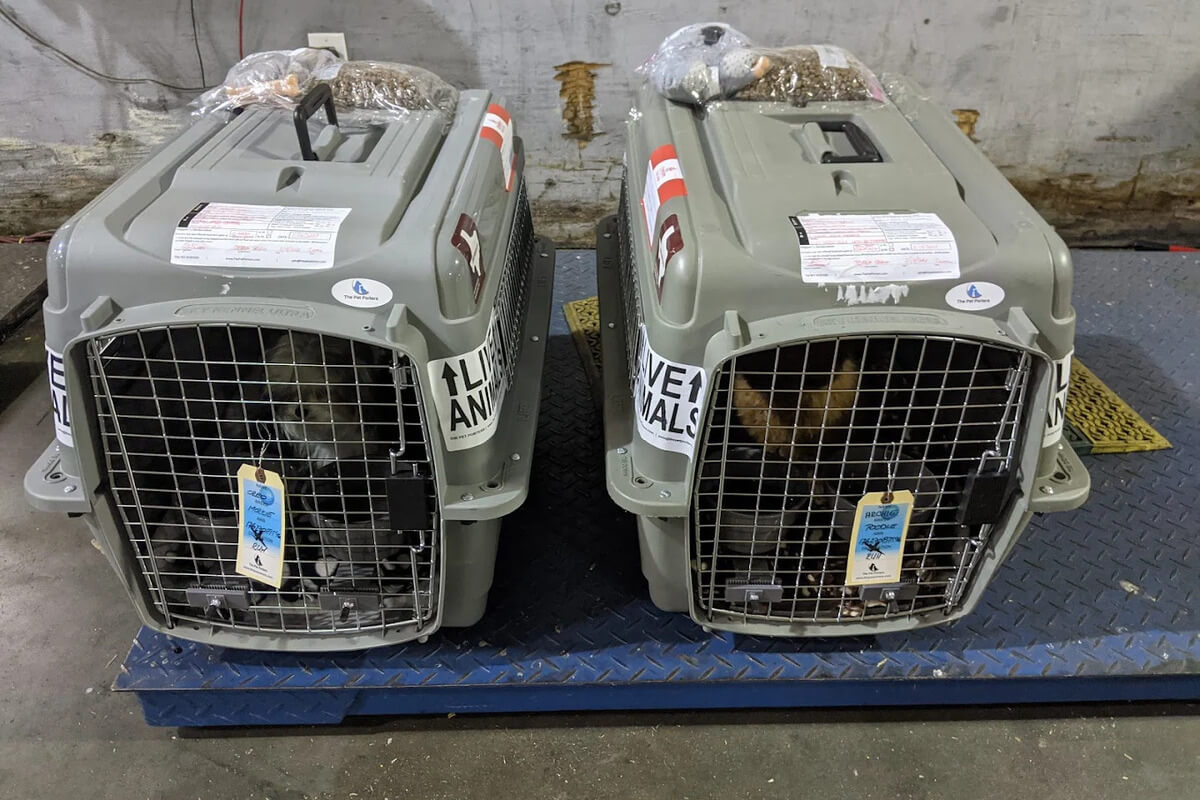
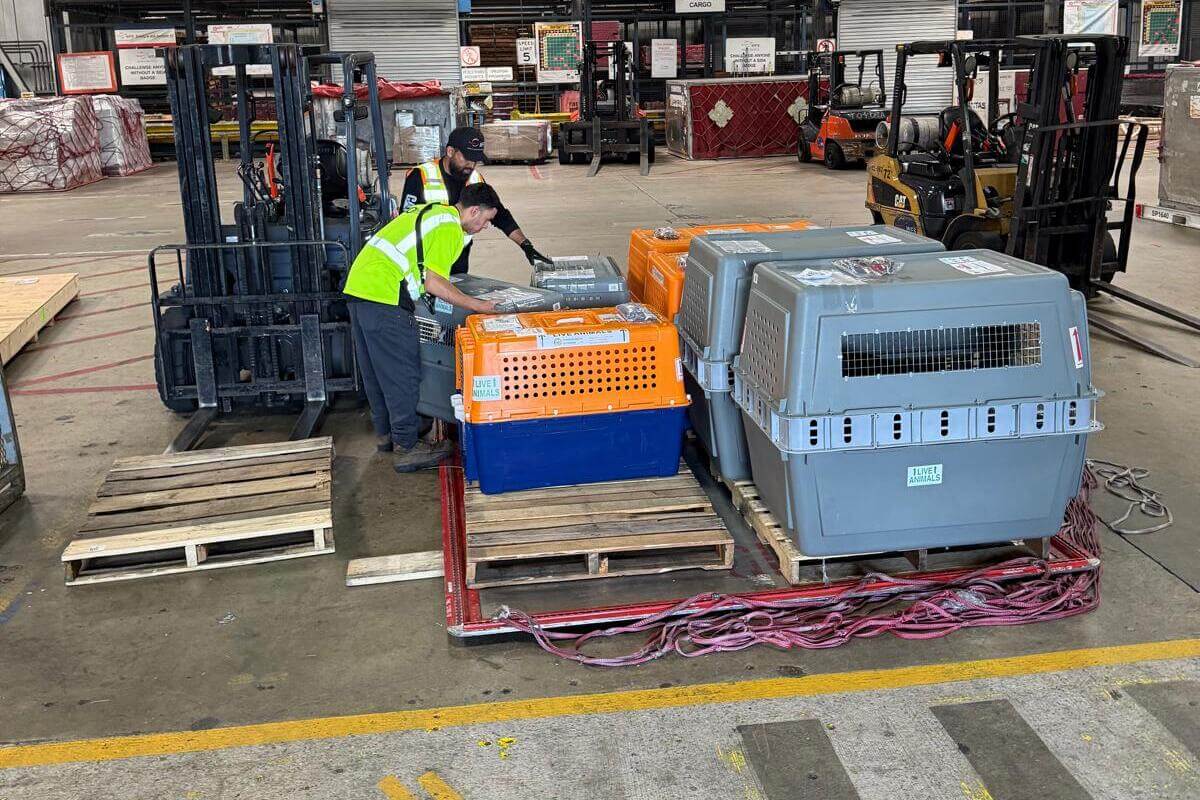
Most international pet travel occurs through airline cargo programs rather than in the passenger cabin. Airline cargo services are designed to safely transport animals in temperature-controlled compartments with specialized handling procedures.
Airlines follow animal transportation guidelines established by the International Air Transport Association. These rules regulate approved travel kennels, crate ventilation, and handling procedures during flights.
Proper airline coordination is essential when shipping pets internationally. Flights must be selected carefully to ensure safe routing, avoid extreme weather conditions, and minimize the number of transfers.
Many families rely on professional services for airline cargo booking to ensure pets are transported using reliable airlines and safe travel routes.
Whenever possible, direct flights are recommended because they reduce travel time and minimize the number of times pets are handled during the journey.
Step 4: Choosing an IATA-Approved Travel Crate
International airline regulations require pets to travel in IATA-approved kennels that provide adequate ventilation, structural strength, and sufficient space for animals to stand and turn around comfortably.
Travel crates must be large enough for pets to stand, sit, lie down, and turn around naturally. They must also include secure locking systems and ventilation openings on multiple sides.
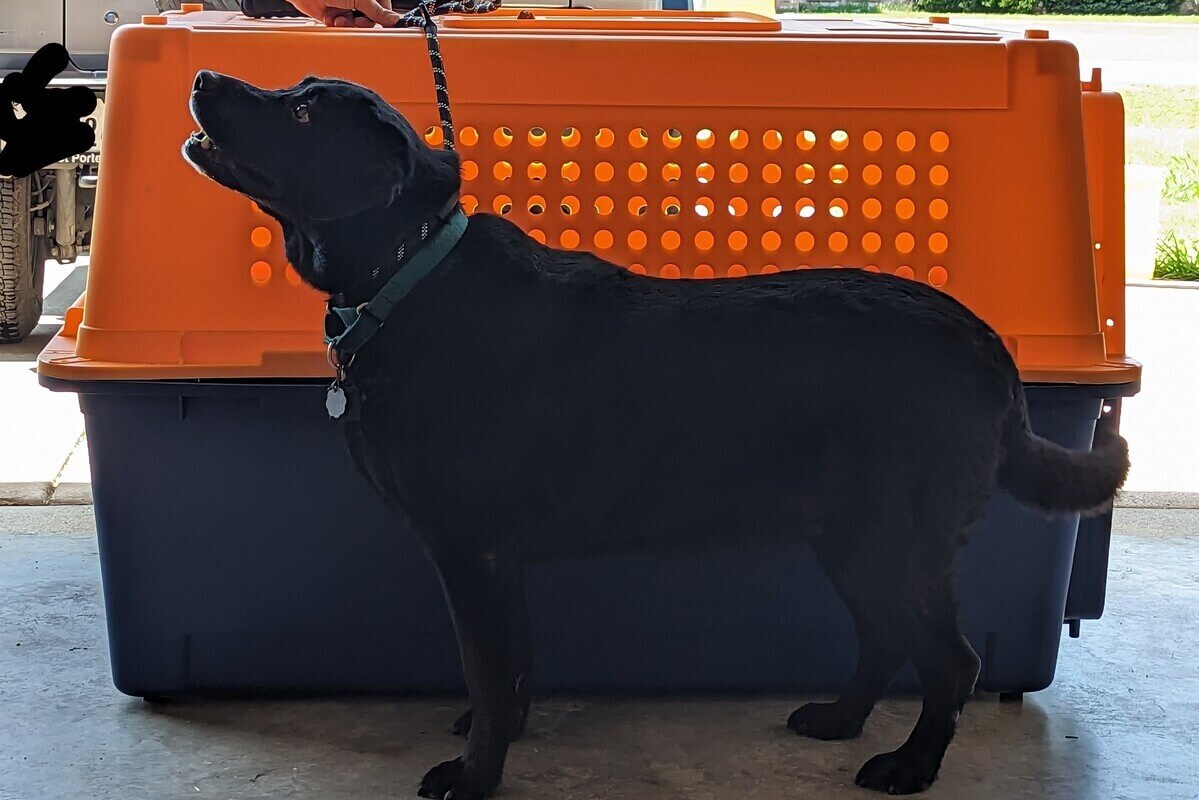
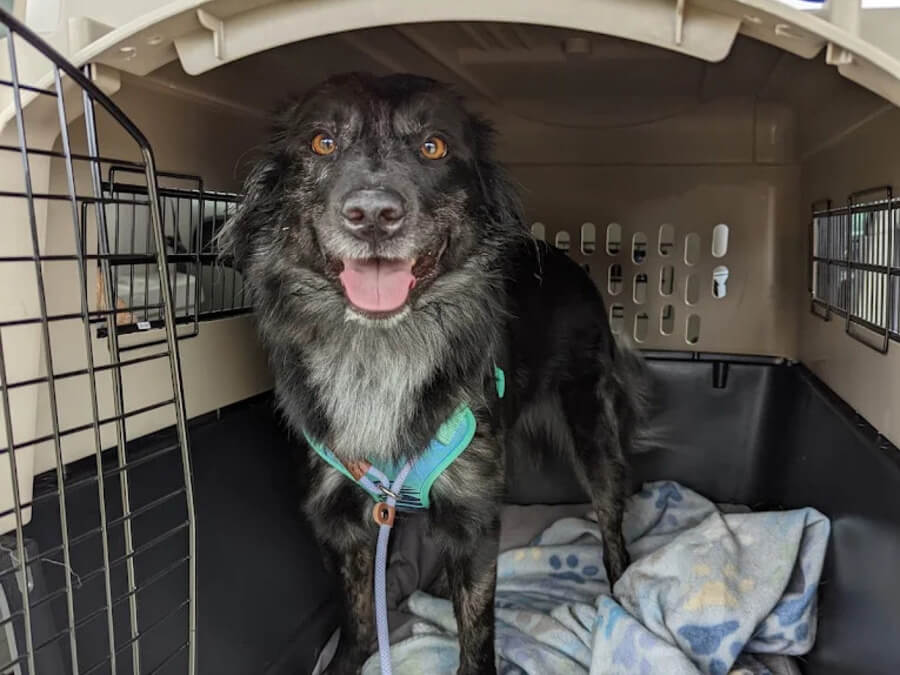
Preparing pets for travel by gradually introducing them to the crate weeks before departure can significantly reduce stress during transport. Many pet owners allow their pets to sleep or relax in the crate at home so they become comfortable with it before travel day.
Crate training is especially important for long international flights where pets may remain inside their travel kennel for extended periods of time.
Step 5: Planning the Safest Travel Route
Selecting the right travel route is one of the most important factors in international pet relocation. Weather conditions, airline policies, and airport handling procedures all play a role in determining the safest route for pets.
Some airports are better equipped to handle live animal cargo shipments than others. Major international hubs often have specialized animal facilities designed to safely transfer animals between flights.
For example, facilities such as DFW Pet Lounge at Dallas-Fort Worth International Airport provide dedicated animal care services for pets traveling through airline cargo networks.
These types of facilities help ensure pets are monitored and cared for while waiting for connecting flights.
Common Challenges When Shipping Pets Internationally
Although international pet relocation is very common today, several challenges can arise if the process is not properly managed.
One of the most common issues involves incomplete documentation. Missing vaccination records, incorrect microchip information, or improperly issued health certificates can prevent pets from boarding flights or entering a destination country.
Airline weather restrictions can also affect travel plans. Airlines may suspend pet transportation during extreme heat or cold to protect animals during loading and unloading procedures on the airport ramp.
Certain dog breeds may also be subject to airline restrictions. Brachycephalic breeds, which have short noses and flattened faces, can be more sensitive to breathing issues during air travel. Some airlines limit or prohibit transportation of these breeds in cargo.
Pet owners should always confirm airline policies and destination country requirements before finalizing travel arrangements.
Organizations such as the American Veterinary Medical Association provide guidance on preparing animals for safe airline travel and protecting their health during transport.
Why Many Families Use Professional Pet Transport Services
Because international pet travel involves complex logistics, many families choose to work with professional pet relocation companies to coordinate the process.
Professional coordinators assist with veterinary documentation, airline cargo reservations, travel crate compliance, and customs clearance procedures upon arrival. Their experience helps ensure pets meet all government and airline requirements before departure.
Relocation specialists also understand which airlines are most experienced with transporting animals and can recommend routes that reduce travel time and handling.
Pet owners planning overseas relocation often review airline policies and travel preparation guidelines in advance. Understanding airline rules for pets through resources such as pet airline requirements can help prevent delays and ensure compliance with airline safety standards.
Planning a Safe International Journey for Your Pet
International pet relocation requires careful planning, detailed documentation, and coordination between veterinarians, airlines, and government authorities. While the process may seem complicated at first, proper preparation can make the journey safe and manageable.
Starting preparations early, verifying destination requirements, and choosing experienced transportation providers are key factors in successful pet travel.
With the right planning and professional support when needed, pets can travel safely across the world and reunite with their families in their new homes abroad.
International pet transportation continues to grow as global relocation becomes more common. By understanding the process and working with knowledgeable professionals, pet owners can ensure their pets experience a smooth and safe journey wherever life takes them.