

Planning international pet travel requires significantly more preparation than domestic transportation. Each destination country has its own import regulations, vaccination timelines, and inspection requirements. Some countries allow relatively simple entry procedures, while others require months of preparation before pets can legally enter.
For example, many countries require pets to be microchipped before receiving rabies vaccinations. Others require rabies antibody blood testing that must be completed several months before departure. These timelines make early preparation essential for anyone planning international relocation with pets.
Professional transport coordinators often recommend beginning preparations at least three to six months before travel. This ensures enough time to complete veterinary testing, obtain health certificates, and submit any required import permits to government authorities.
Understanding Country-Specific Pet Import Requirements
Every country has unique rules for importing pets. Some destinations have relatively straightforward entry requirements, while others enforce strict biosecurity laws designed to prevent the introduction of diseases such as rabies.
Countries like Australia, New Zealand, and Singapore are known for having some of the strictest pet import regulations in the world. These destinations may require extensive veterinary testing and quarantine periods before pets can be released to their owners.
Government agencies such as the USDA Animal and Plant Health Inspection Service (APHIS) publish official guidelines for pet export requirements from the United States. These regulations help ensure pets meet the health and safety standards required by destination countries.
Because regulations frequently change, pet owners should always verify requirements through official government sources or experienced relocation professionals before planning international travel.
Airline Cargo and Pet Transportation Logistics
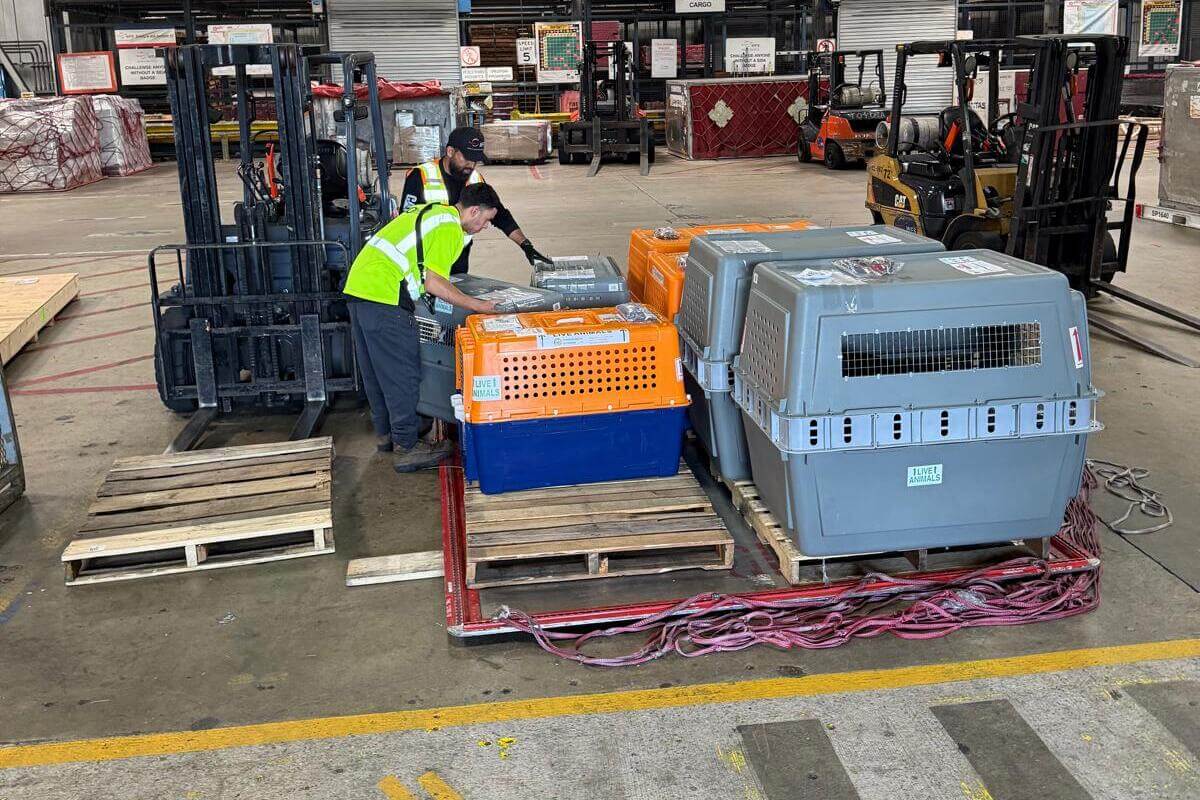
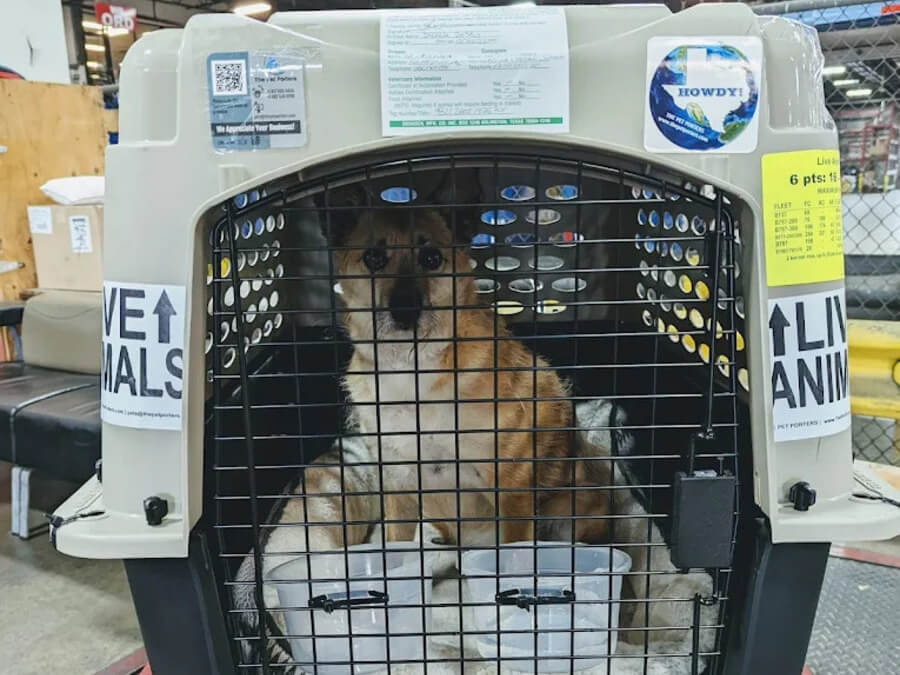
Most international pet travel takes place through airline cargo programs rather than in the passenger cabin. Airline cargo services are specifically designed to transport animals safely using temperature-controlled compartments and specialized handling procedures.
Airlines follow strict safety guidelines established by the International Air Transport Association (IATA), which regulates pet travel crate standards and animal handling procedures during flights.
Proper airline coordination is critical when shipping pets internationally. Cargo bookings must be scheduled in advance, and airlines may limit the number of animals allowed on each flight. Professional coordinators frequently assist pet owners with airline cargo booking to ensure pets are transported using safe routes and pet-friendly airlines.
Selecting the right airline and route can significantly improve the travel experience for pets. Whenever possible, direct flights are recommended to reduce handling and shorten travel time.
Preparing Your Pet for International Travel
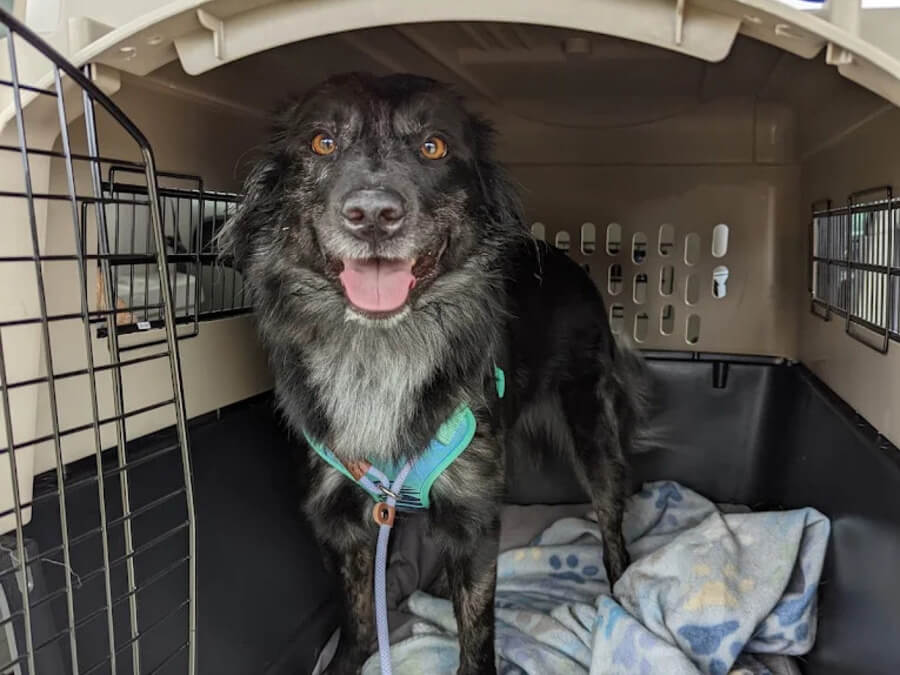
Proper preparation is one of the most important factors in successful international pet travel. Pets must be comfortable with their travel crate well before departure and should have recent veterinary examinations to ensure they are healthy enough for flight.
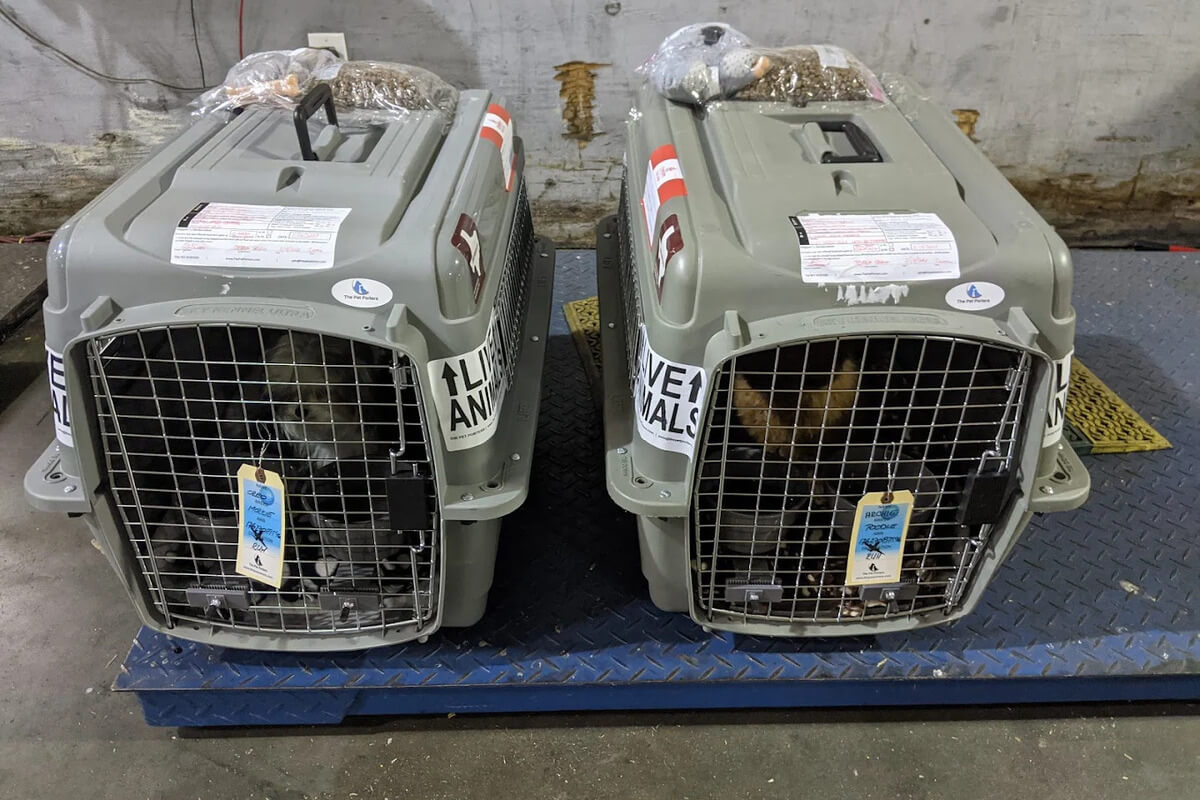
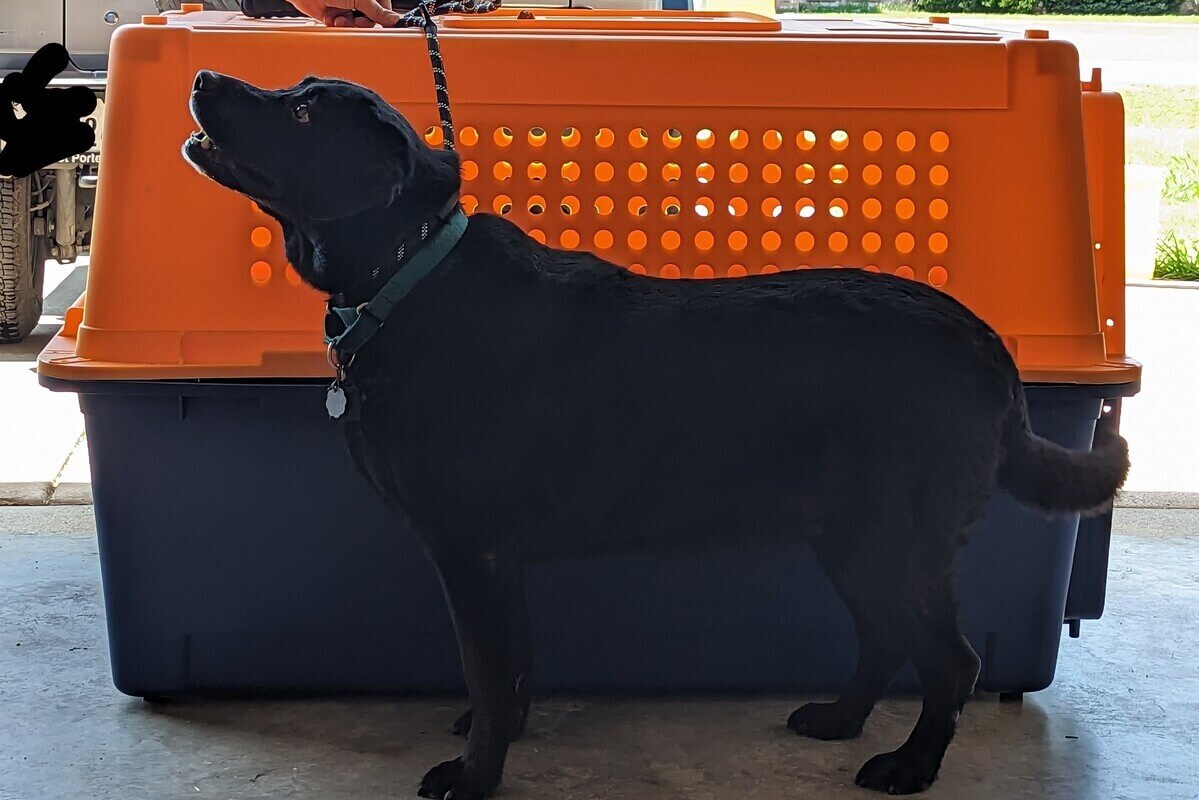
Airline travel kennels must meet IATA requirements, which include adequate ventilation, secure locking mechanisms, and enough space for pets to stand, turn around, and lie down comfortably. Crate training before travel can significantly reduce stress during the journey.
Veterinarians also play an important role in preparing pets for international transport. Health certificates must be issued within a specific time frame before departure and may require endorsement by government veterinary authorities.
Many relocation specialists coordinate veterinary documentation and guide pet owners through the necessary steps. These services help ensure pets meet the strict import regulations enforced by many countries around the world.
Domestic Travel vs International Pet Relocation
Domestic pet transportation is generally simpler than international relocation because it typically involves fewer regulatory requirements. However, airline policies and health documentation may still apply depending on the airline and route.
For families moving within the United States, professional services for domestic pet transport can help coordinate airline bookings, travel crates, and pickup or delivery logistics.
One common domestic relocation involves transporting pets to Hawaii. Because Hawaii has strict rabies prevention laws, pets traveling to the islands must meet specific vaccination and documentation requirements before arrival. Pet owners relocating to the islands often review detailed guidelines for shipping pets to Hawaii well in advance to ensure compliance with state regulations.
Whether moving domestically or internationally, proper planning helps ensure pets travel safely and avoid unnecessary delays.

Common Challenges in International Pet Travel
Although millions of pets travel safely by air every year, international relocations can present several challenges if not properly coordinated.
One common issue involves incomplete or incorrect documentation. Missing vaccination records or improperly issued health certificates can delay entry into the destination country or result in quarantine for pets.
Another challenge involves airline temperature restrictions. Airlines may suspend pet travel during extreme weather conditions to protect animals during loading and unloading procedures.
Breed restrictions may also apply to certain dog breeds, particularly brachycephalic (short-nosed) breeds that may have breathing sensitivities during air travel. Pet owners should always confirm airline policies before booking flights.
Resources from organizations such as the American Veterinary Medical Association provide guidance for preparing pets for safe air travel and maintaining animal welfare during transportation.
Why Many Families Use Professional Pet Relocation Services
Coordinating international pet travel independently can be overwhelming due to the complexity of airline regulations, veterinary documentation, and government import rules. This is why many families choose to work with professional pet relocation specialists.
Professional coordinators assist with documentation preparation, airline cargo bookings, travel kennel compliance, and customs clearance procedures. Their experience helps prevent costly mistakes and ensures pets travel according to airline and government regulations.
Relocation specialists also provide guidance on preparing pets for travel and selecting safe routes that minimize stress during the journey. For families relocating overseas, this level of expertise can make a significant difference in ensuring pets arrive safely at their new home.
Helping Pets Travel Safely Around the World
International pet travel requires careful planning, attention to detail, and compliance with multiple regulations. From veterinary health certificates to airline cargo coordination and import permits, each step in the process plays an important role in ensuring pets arrive safely.
By preparing early, researching destination requirements, and coordinating travel logistics properly, pet owners can avoid many of the challenges associated with international pet relocation.
Whether moving across the country or relocating overseas, understanding the process of pet transportation ensures that pets remain safe, comfortable, and protected throughout their journey.
With proper preparation and professional guidance when needed, international pet travel can be a smooth and successful experience for both pets and their families.