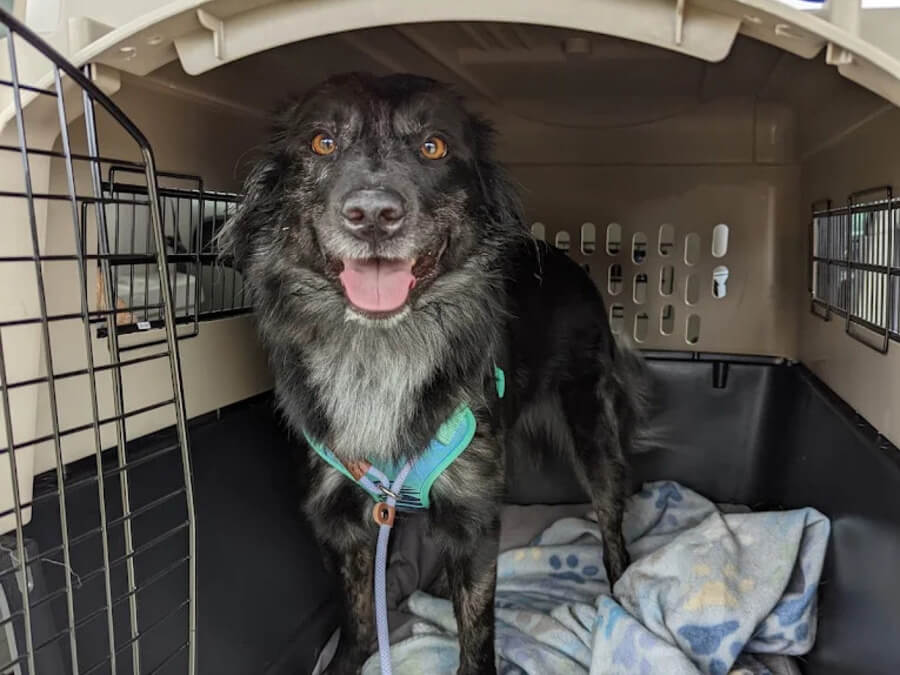

Understanding How Airline Pet Travel Works
Most airlines transport pets either in the passenger cabin, as checked baggage, or through the airline’s dedicated cargo program. The method used depends on the pet’s size, breed, and destination. Small pets may qualify to travel in the cabin, while larger dogs and many international shipments must travel through airline cargo services.
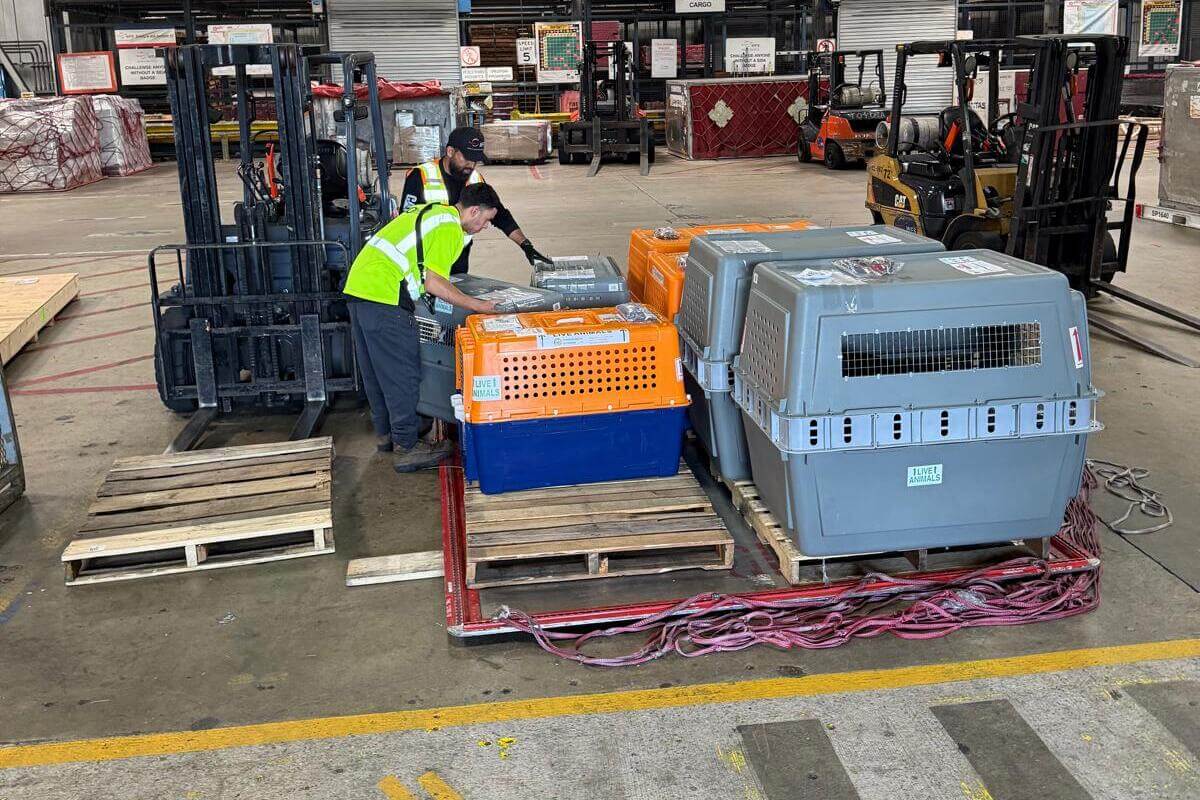
Airline cargo pet travel is designed specifically for animal transportation. Airlines follow strict safety protocols regarding temperature, ventilation, and handling procedures to ensure pets travel comfortably. Professional handlers also monitor loading and unloading procedures to ensure animals are treated with care throughout the journey.
However, airline rules vary widely. Some airlines restrict certain breeds, limit pet travel during extreme temperatures, or require specific kennel sizes. These policies can change depending on the route and aircraft type. Working with experienced pet relocation services can help avoid common travel issues by selecting airlines and routes that best accommodate your pet’s needs.
Preparing Your Pet for Airline Travel
Preparation is one of the most important parts of airline pet travel. Pets should be comfortable with their travel kennel well before departure, and owners should ensure that all documentation and health requirements are completed ahead of time.
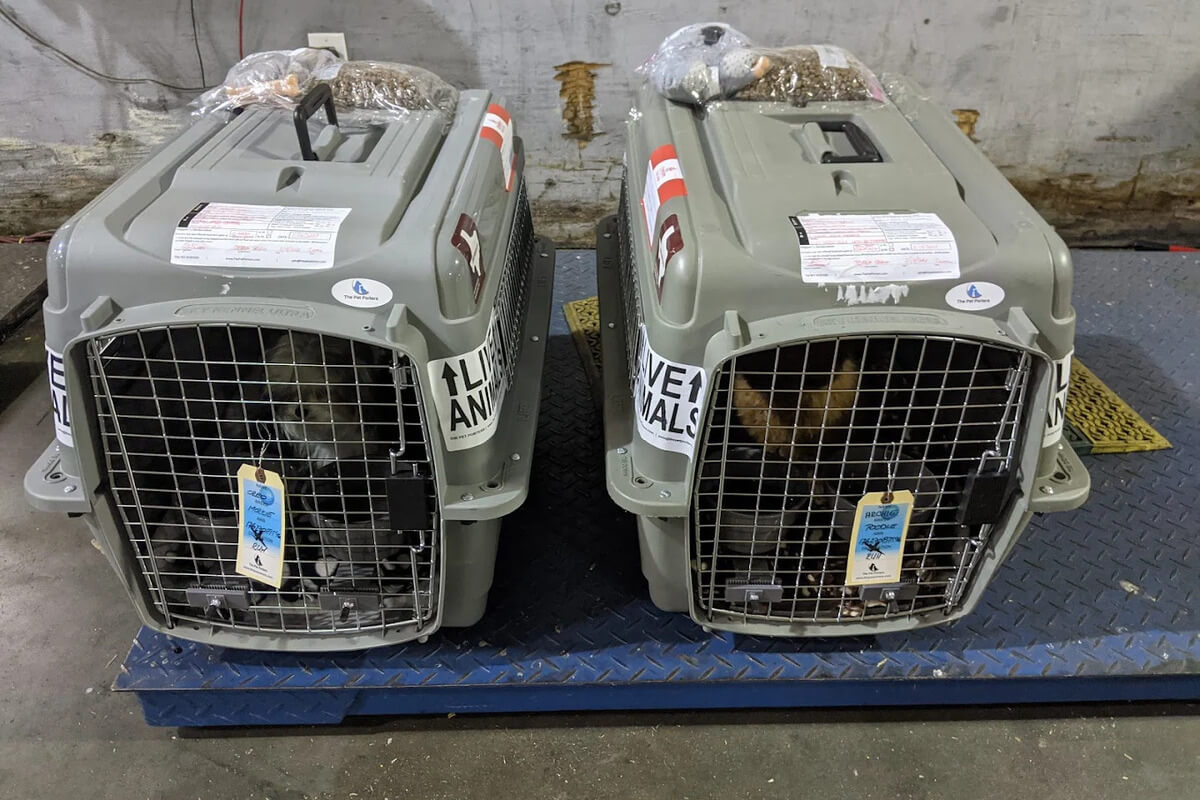
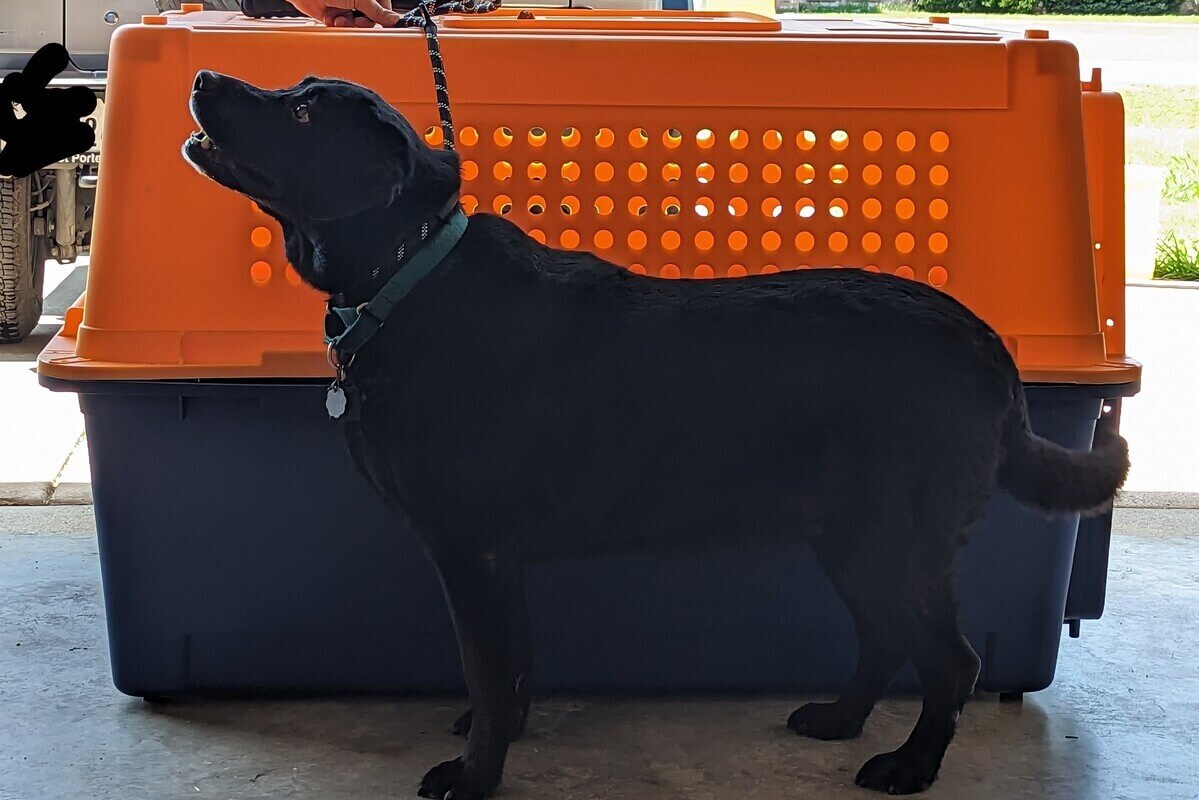
Most airlines require pets to travel in airline-approved kennels that meet International Air Transport Association (IATA) standards. These kennels must allow the pet to stand, turn around, and lie down comfortably. Proper ventilation and secure metal doors are also required to ensure safety during transport.
In addition to the kennel requirements, pets must also meet veterinary health standards before flying. Health certificates, vaccination records, and microchip identification are commonly required for both domestic and international flights. Many pet owners rely on professional pet documentation assistance services to ensure all paperwork is completed correctly and submitted on time.
International Airline Pet Travel Requirements
International pet travel adds additional layers of complexity because each country sets its own animal import regulations. Some countries require rabies antibody testing months in advance, while others require import permits or veterinary inspections upon arrival.
These regulations can change frequently, and missing even one requirement could delay your pet’s entry into the destination country. In some cases, pets may be placed into quarantine if paperwork is incomplete or vaccination requirements are not met.
Pet owners relocating overseas should review requirements for their destination well in advance. Our guide to international pet travel destinations provides useful information about pet entry rules for many countries around the world.
Working with experienced relocation specialists ensures that all country-specific rules are followed and that pets arrive without unnecessary delays or complications.
Choosing the Right Airline for Pet Travel
Not all airlines offer the same level of service for pet travel. Some airlines have dedicated animal transport programs and trained personnel who specialize in handling pets, while others offer more limited options.
Important factors to consider when choosing an airline include:
- Temperature-controlled cargo compartments
- Airline experience with pet transport
- Breed restrictions and safety policies
- Flight routes and layover locations
- Airport animal handling facilities
Direct flights are often recommended whenever possible because they reduce handling and minimize travel time for pets. When layovers are necessary, airports with dedicated animal lounges or pet care facilities may provide a safer environment for animals during transit.
Common Airline Pet Travel Challenges
Although airline pet travel is generally safe, there are several challenges that pet owners should be aware of when planning a trip.
Weather restrictions are one of the most common issues. Airlines may suspend pet travel when temperatures are too hot or too cold to ensure animals remain safe during loading and unloading procedures. Seasonal restrictions can sometimes delay travel plans.
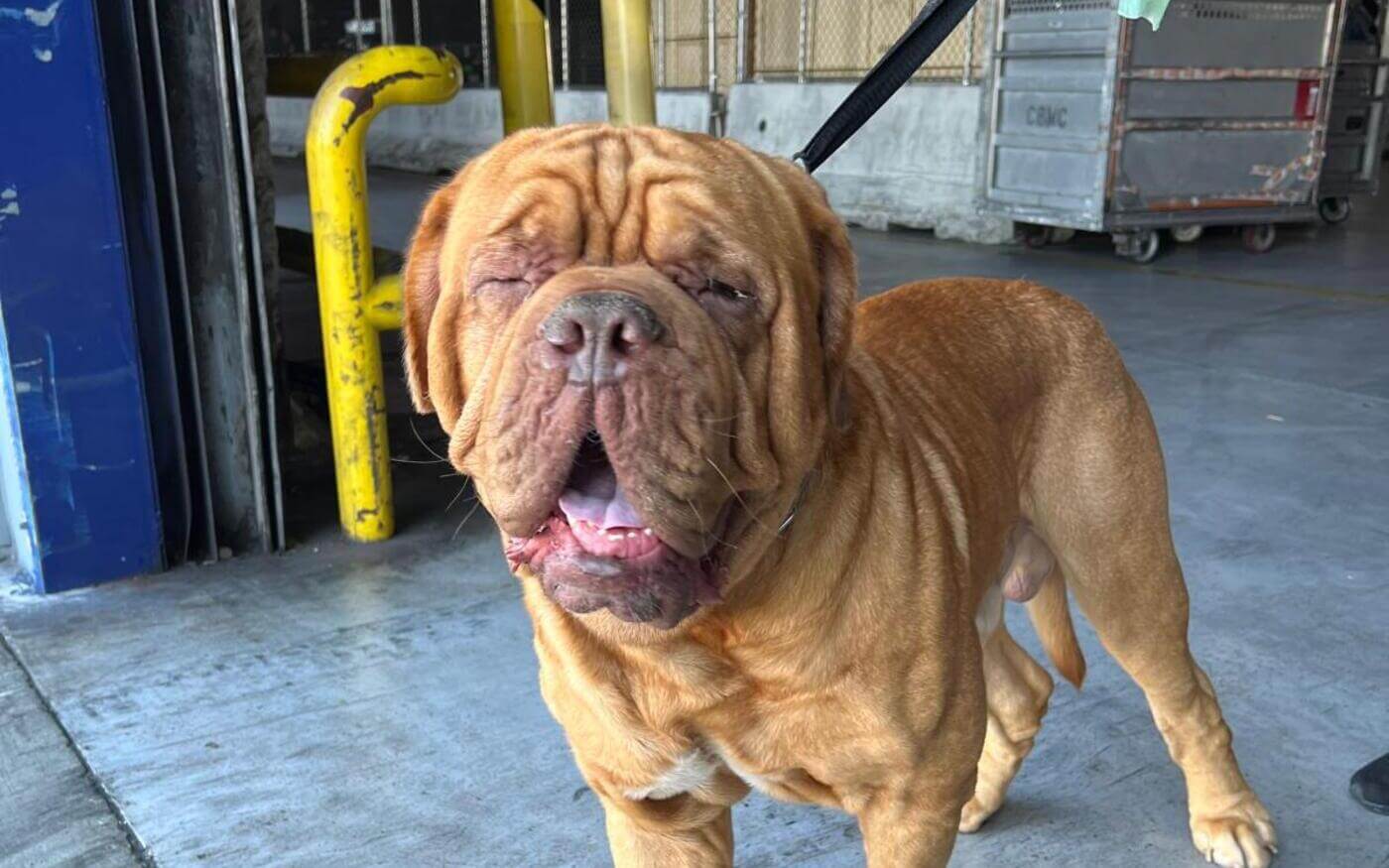
Breed restrictions can also affect airline pet travel. Some airlines restrict brachycephalic (short-nosed) breeds due to potential breathing difficulties during flights. In these cases, alternative travel arrangements or ground transportation options may need to be considered.
Paperwork issues are another common problem. Missing or incorrect documentation can result in flight delays, denied boarding, or quarantine upon arrival. This is why professional coordination is often recommended for international pet relocations.
Why Many Pet Owners Use Professional Pet Transport Services
While some pet owners attempt to coordinate airline pet travel themselves, many choose professional assistance to reduce stress and avoid costly mistakes. Experienced pet transportation specialists handle airline bookings, documentation preparation, kennel compliance, and customs coordination.
Professional transport services also provide guidance on preparing pets for travel, selecting appropriate flight routes, and managing unexpected travel changes. This expertise becomes particularly valuable during international relocations where regulations can be complex.
By working with experienced professionals who specialize in pet travel logistics, families can feel confident that their pets are traveling under the safest possible conditions.
Ensuring a Safe and Comfortable Journey for Your Pet
Airline pet travel requires careful planning, preparation, and coordination. From selecting the correct travel crate to obtaining veterinary certificates and meeting international regulations, every step plays an important role in ensuring pets arrive safely at their destination.
With the right preparation and support, pets can travel comfortably across the country or around the world. Understanding airline policies, planning travel logistics carefully, and ensuring proper documentation are the keys to a smooth relocation experience.
If you are planning to move with your pet, working with experienced pet transportation professionals can help ensure every detail is handled correctly. With the right guidance, airline pet travel can be safe, efficient, and stress-free for both pets and their owners.