
Which European Countries Follow EU Pet Import Rules?
One of the biggest advantages of relocating a pet to Europe is that most European Union member states follow a common framework for pet importation. Countries such as Spain, France, Germany, Italy, Portugal, Belgium, the Netherlands, Austria, Ireland, and many others require the same core documentation for dogs and cats arriving from the United States.
Although the European Union establishes standardized requirements for non-commercial pet movements, individual countries may occasionally impose additional rules, entry points, or inspection procedures. Pet owners should always verify destination-specific requirements before finalizing travel arrangements.
Many Americans relocating overseas choose Spain and Portugal because of favorable residency programs and pet-friendly lifestyles. As international relocations continue to increase, understanding EU pet travel requirements has become one of the most important parts of planning a successful move abroad.
"The most common reason pets experience delays entering Europe is incomplete or improperly timed documentation -- not missing vaccinations."
The Pet Porters, Pet Relocation Specialists
What Documents Are Required to Bring a Pet into Europe?
For most dogs and cats traveling from the United States to the European Union, the following requirements must be completed before departure:
EU Pet Entry Requirements Checklist
- ISO 11784/11785 compliant microchip (implanted before rabies vaccination)
- Valid rabies vaccination administered after microchip implant
- EU-format Animal Health Certificate issued by a USDA-accredited veterinarian
- USDA APHIS government endorsement of the health certificate
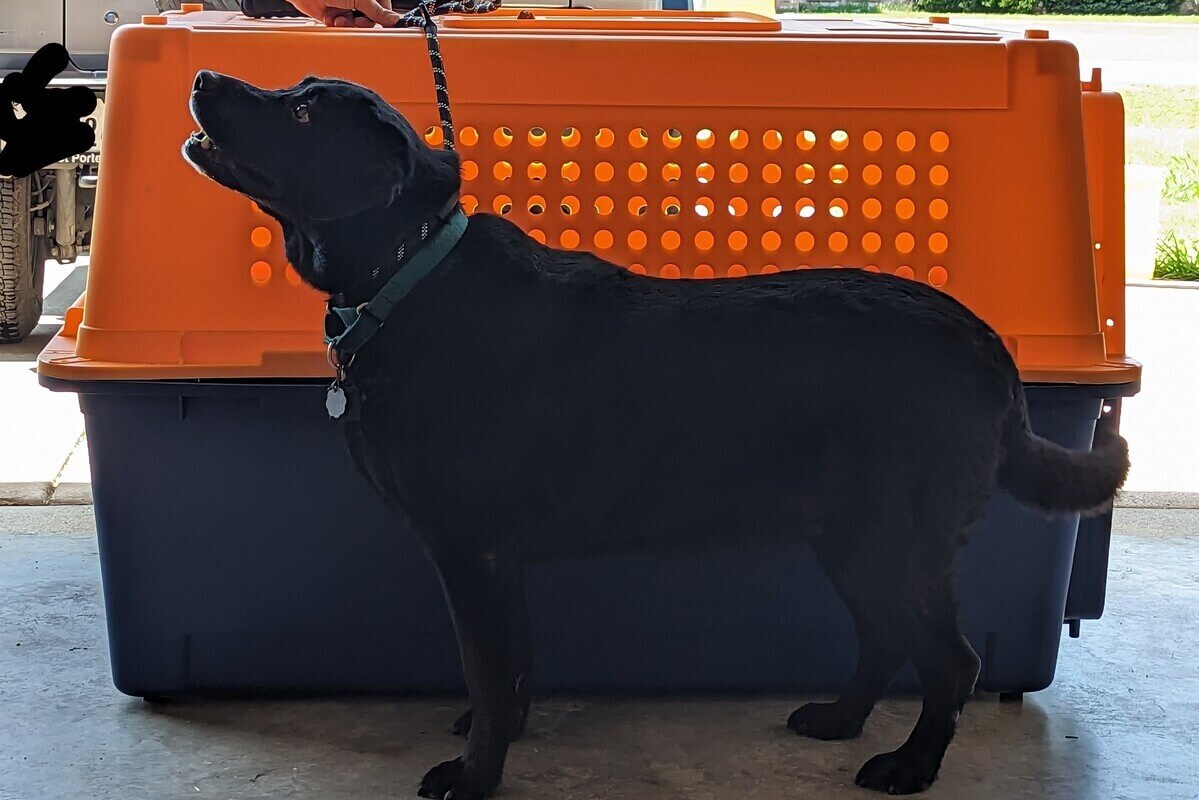
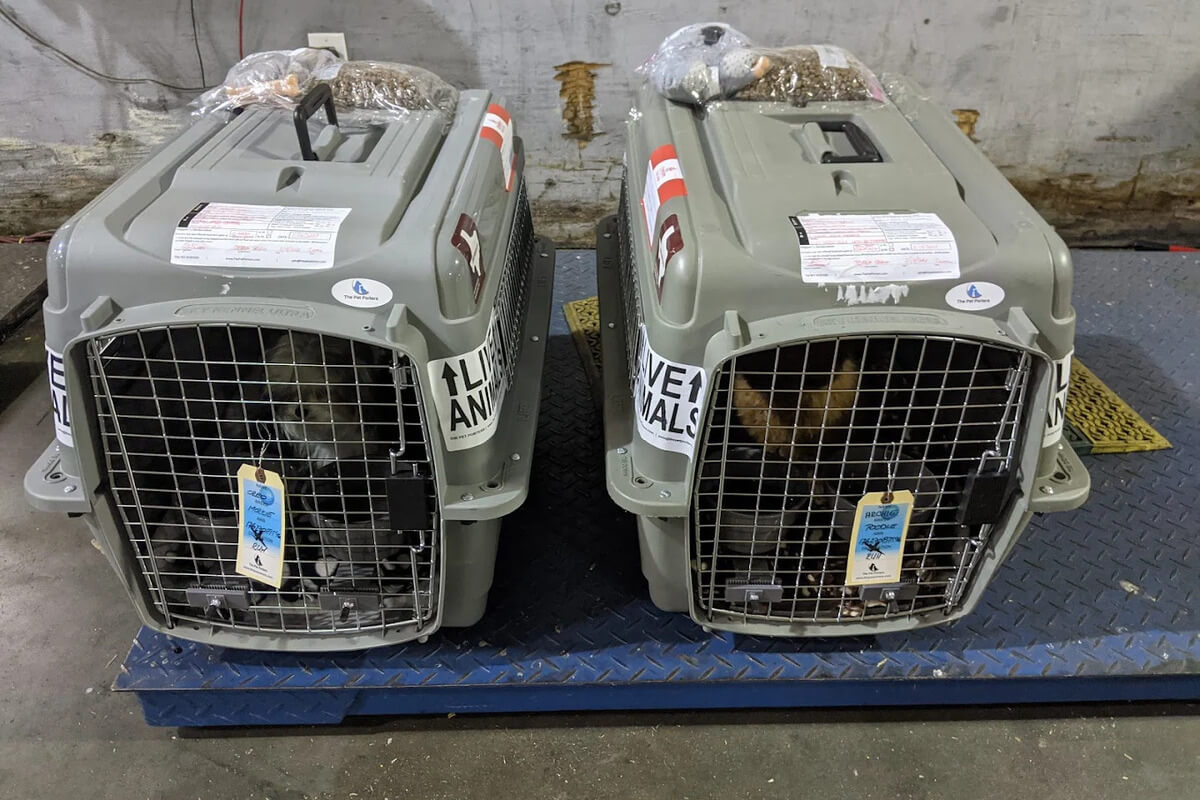
- IATA-compliant airline-approved travel kennel
Pets that arrive without compliant documentation may be denied entry, quarantined, or returned to their country of origin. The EU's requirements are enforced at the border -- not just at the airline check-in counter -- so documentation must be complete before your pet leaves the United States.
Why the Microchip Must Come Before the Rabies Vaccination
One of the most important -- and most frequently misunderstood -- EU pet travel requirements involves the sequence of microchipping and vaccination. The microchip must be implanted before the rabies vaccination is administered, not after.
The reason is straightforward: the microchip is the pet's permanent identification number. The EU requires that vaccination records be linked to a specific microchip. If a rabies vaccine is administered before the microchip is implanted, the vaccination cannot be verified as belonging to that specific pet with certainty. Many EU countries will require the vaccination series to be repeated from scratch if the sequencing is wrong.
If your pet was vaccinated before being microchipped -- which is common in the U.S. -- contact us before beginning the documentation process. Depending on when the vaccination was given and which country you are traveling to, there may be options to avoid restarting the sequence entirely.
EU Pet Travel Timeline: When Should You Start Preparing?
For most pets traveling to standard EU destinations like Germany, France, Spain, or Italy, a preparation window of 6-8 weeks is typically sufficient if the rabies vaccination is already current and the microchip is in place. Families with pets whose vaccinations have lapsed or whose microchips are not ISO-compatible may need 10-12 weeks.
The EU is one of the more accessible international pet destinations from the U.S. -- no titer test is required, no mandatory quarantine applies for compliant pets, and the documentation sequence is straightforward compared to Japan, Australia, Singapore, or Hawaii. The risk is not the complexity of the requirements; it is the time-sensitivity of the health certificate, which expires 10 days from the issue date and must still be valid when the pet arrives in Europe.
Rabies Vaccination Requirements for Europe
Dogs and cats entering the EU must have a valid rabies vaccination administered after microchip implantation. The vaccine must still be within its licensed validity period on the date of EU entry -- an expired vaccination is treated the same as no vaccination at the border.
Travelers from the United States are generally not required to complete a rabies titer test for most EU destinations, which significantly simplifies the process compared to other international destinations. However, this can change and should always be verified against current USDA APHIS export requirements for your specific destination country before beginning preparations.
For puppies and kittens, note that most rabies vaccines cannot be administered before 12 weeks of age. Young pets may also need to wait a period after vaccination before the health certificate can be issued. If you are moving with a young animal, build extra time into your timeline.
The EU Animal Health Certificate -- What It Is and How It Works
The Animal Health Certificate (AHC) is the primary document used for first-time entry into the European Union from the United States. It contains your pet's identifying information, microchip number, vaccination records, and veterinarian certifications required by European border authorities.
Who Issues It
The certificate must be completed by a USDA-accredited veterinarian -- not just any licensed vet. Your regular vet may or may not be USDA-accredited. We can help you identify an accredited vet in your area if needed.
The 10-Day Window
The health certificate must be issued within 10 days of your pet's departure. This is one of the most commonly mismanaged timing elements. If the certificate is issued on day 1 and you depart on day 11, the certificate is expired and your pet cannot board. Time the vet visit carefully.
USDA APHIS Endorsement
After the vet issues the certificate, it must be submitted to USDA APHIS for government endorsement. APHIS processing typically takes 1-3 business days. Rush options are available in some states. The endorsed certificate must be returned to you before your departure date -- and the 10-day validity clock is still running while it is at APHIS. Submit the same day it is issued.
For more detail on the full documentation process, see our dedicated guide to pet travel documentation assistance.
Can I Use an EU Pet Passport?
The EU Pet Passport is frequently misunderstood by U.S. residents planning to move to Europe. An EU Pet Passport is issued by veterinarians within EU member states and is designed for pets already residing in Europe. U.S. residents cannot obtain an EU Pet Passport before their first trip to Europe.
For first-time entry from the USA, you must use the EU-format Animal Health Certificate described above. Once your pet is legally established as a resident in an EU country and examined by a local vet, that vet can issue an EU Pet Passport. Future travel within many EU countries then becomes significantly easier -- the passport replaces the need for a new health certificate each time.
Airline Requirements for Pets Traveling to Europe
Meeting EU government requirements is only part of the process. Airlines maintain their own rules regarding pet transportation, kennel dimensions, temperature restrictions, and breed limitations -- and these vary by carrier.
Most international pet travel to Europe occurs through airline cargo programs that follow IATA Live Animal Regulations standards. Carriers regularly used for U.S.-to-Europe pet transport include Lufthansa Cargo (Frankfurt Animal Lounge), KLM Cargo (Amsterdam Schiphol Animal Hotel), and British Airways IAG Cargo (Heathrow Animal Reception Centre).
Travel kennels must meet strict IATA specifications for ventilation, size, construction, and security. Selecting the wrong crate can result in refused boarding even when all documentation is perfect. For a detailed breakdown of each airline's policies, see our pet airline requirements guide.
Moving a Pet to Europe?
The Pet Porters manages EU health certificates, USDA APHIS endorsements, airline cargo booking, and crate compliance -- so your pet arrives on time with no documentation surprises.
Common Mistakes That Delay EU Pet Travel
The majority of EU pet travel complications stem from a short list of avoidable mistakes. Most of them involve timing and sequencing rather than missing vaccinations:
- Microchip implanted after rabies vaccination -- vaccination may need to be repeated
- Expired rabies vaccination -- even one day past expiry is treated as unvaccinated at the EU border
- Health certificate issued too early -- it expires 10 days from issue; if departure is day 11, the cert is invalid
- APHIS endorsement not submitted same day as cert -- delays push you past the 10-day window
- Non-EU certificate format used -- post-Brexit UK requires the Great Britain format, not the EU format; wrong form = refusal
- Wrong crate size or construction -- IATA non-compliance results in refused boarding even with perfect paperwork
- Booking flights before documentation is confirmed -- documentation should drive the timeline, not the other way around
How Much Does It Cost to Transport a Pet to Europe?
Costs vary significantly based on pet size, departure airport, destination, airline routing, and the documentation services required. Here are the typical cost categories families should budget for:
Frequently Asked Questions: EU Pet Travel 2026
Preparing for a Smooth Arrival in Europe
Moving a pet to Europe does not need to be overwhelming. The EU pet travel process is well-defined and predictable when followed correctly. The formula is simple: confirm microchip ISO compliance first, ensure the rabies vaccination is current, schedule the vet appointment within the 10-day health certificate window, submit to APHIS the same day, and book airline cargo space early.
The families who run into problems are almost always those who reversed a step, ran out of time on the health certificate window, or discovered at the airport that their crate was not compliant. All of these outcomes are preventable with proper planning.
For detailed country-specific requirements for EU member states, see our Pet Transport to the European Union destination guide.

Related Articles & Resources
Ready to Move Your Pet to Europe?
The Pet Porters manages EU health certificates, USDA APHIS endorsements, airline cargo booking, crate compliance, and every other piece of your pet's European relocation. Request a quote and we will build your custom timeline.
Request a Pet Travel Quote EU Requirements Guide